Ceramides vs Colloidal Oatmeal in Body Lotion
At a glance
Ceramides and colloidal oatmeal appear in different source and wording lanes. Ceramides usually route to barrier-structure and formulation language, while colloidal oatmeal often routes to sensitive-feeling and eczema-adjacent moisturizer context. A directory should compare those lanes without turning either ingredient into a treatment or universal suitability claim.
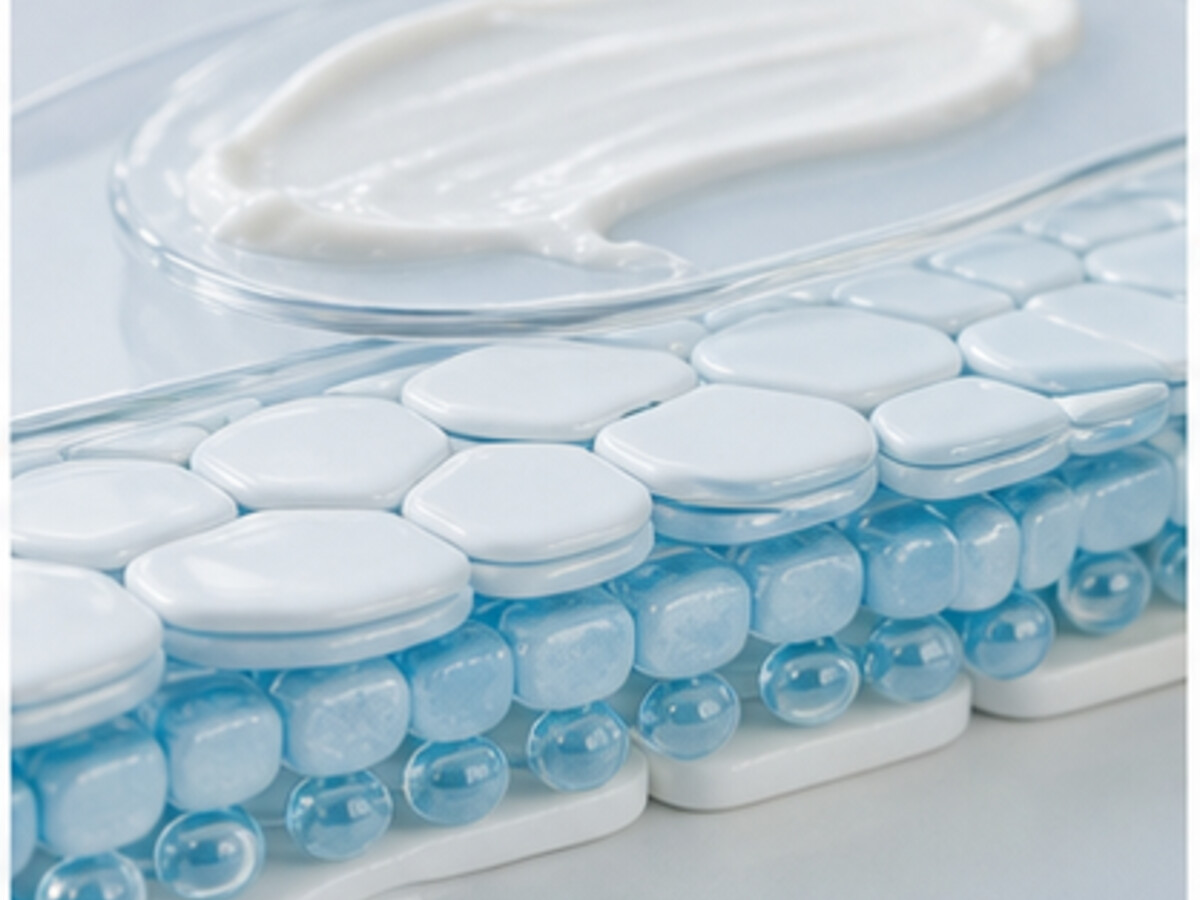


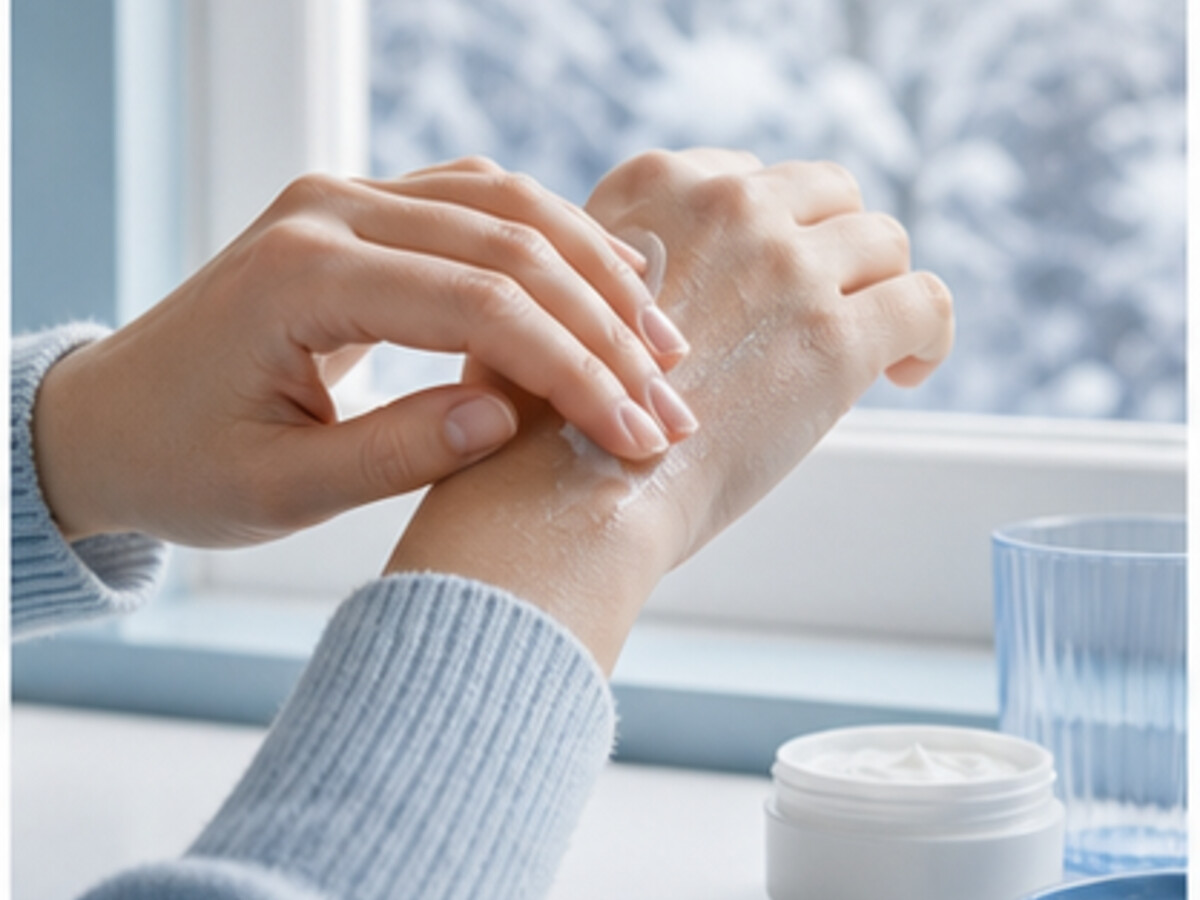
- Audience route: ingredient comparison searches for barrier and eczema-adjacent body-care language.
- Evidence grade: A/B/C/D.
- Claim risk: High.
Short answer
Ceramides and colloidal oatmeal appear in different source and wording lanes. Ceramides usually route to barrier-structure and formulation language, while colloidal oatmeal often routes to sensitive-feeling and eczema-adjacent moisturizer context. A directory should compare those lanes without turning either ingredient into a treatment or universal suitability claim.
Why this question matters
- Users comparing ceramides and colloidal oatmeal are often trying to choose a lotion for dry-feeling, sensitive-feeling, baby, or eczema-adjacent routines.
- Both ingredients can sound medical or outcome-oriented in marketing copy, so source routing matters before public wording is used.
- The comparison is useful because it separates ingredient role, formula context, routine feel, and claim boundary.
Question routing
- Route ceramide language to ceramide entries, barrier wording boundaries, and PubMed/PMC source routes.
- Route colloidal oatmeal language to AAD, Mayo Clinic, National Eczema Association, and eczema-adjacent claim boundaries.
- Route baby or eczema-adjacent shopping searches to public education sources before product language.
- Route warming, absorption, or formula compatibility to stability and measurement pages, not ingredient names alone.
What evidence can support
- A comparison of ingredient-language lanes, not a product ranking.
- A source map for barrier wording, sensitive-feeling routines, and eczema-adjacent moisturizer context.
- A boundary between ingredient-role evidence and finished-product performance.
What evidence cannot support
- That ceramides or colloidal oatmeal treat, prevent, or resolve a skin condition.
- That one ingredient is universally better for baby, pregnancy, sensitive-user, or eczema-adjacent routines.
- That ingredient presence proves a finished lotion works with warming or a specific package.
Claim boundary
Allowed: Explain label meaning, formula format, routine friction, texture, residue, scent, contact feel, or source-backed public education context.
Needs evidence: Any baby, eczema-adjacent, sensitive-user, barrier, treatment, formula-compatibility, or warmed-use statement needs source review and product-specific evidence.
Needs testing: Finished formula, packaging, contact temperature, repeated handling, and user-context review when temperature or compatibility is discussed.
Not established: That one label, ingredient, texture, or routine habit proves better outcomes, broad user suitability, measured absorption, barrier change, or formula compatibility.
Avoid: Do not turn this answer into a product recommendation, medical guidance, infant-care instruction, pregnancy guidance, or universal compatibility statement.
Source links
- PubMed ceramide formulation review
- Mayo Clinic baby eczema
- National Eczema Association moisturizing
- AAD everyday care
- Ceramide and barrier claim boundary
- Eczema-adjacent claim boundary
- AAD public everyday-care source
- FDA cosmetics labeling claims
- ISO/TR 18811 cosmetic stability guidance
- PubMed immediate and delayed moisturization
- PubMed ceramide formulation review search
- AAD moisturizer use for childhood eczema
- Mayo Clinic baby eczema
- National Eczema Association moisturizing
- FDA cosmetics labeling claims
- Cosmetic claims boundary
- Directory methodology
- EU cosmetic claims common criteria
- ISO cosmetic stability testing guidance
- Mayo Clinic dry skin